• Skip to Page content
  • Skip to Management
  • Skip to Main menu
Adlershof - science at work
  • WISTA
  • WISTA.Plan
  • WISTA.Service
  • WISTA direkt
  • Search
    • de
    • en
  • Adlershof - science at work
  • Technology Park
    • Companies / Institutes
    • Science City in numbers
    • Direction / Maps
      • Bus / Train
      • By Car
      • Bicycle
      • Orientation / Maps
      • Trail of Thoughts
  • Newsroom
    • Overview
    • News
      • Social Media Stream
      • Success Stories
    • Events / Calendar
      • Adlershof Winter Magic
      • Adlershof Research Forum
      • Adlershof Dissertation Award
    • Adlershof Journal
    • Hot Topics
      • Climate change mitigation
      • Grand Challenges
      • Digital infra­structure / 5G campus network
      • Circular Economy
    • Photos / Flyer / Downloads
      • Magazine archive
    • WISTA-Editorial Staff
  • Science / Technology
    • Overview
    • Technology Centres
      • Photonics / Optics
      • Biotech­nology / Envi­ron­ment
      • Micro­systems / Materi­als
      • IT / Media
      • Renewable Energy / Photovoltaics
    • Non-university Research
    • Universities / Colleges
      • Humboldt-Universität zu Berlin
      • Services for Students
    • Young Talents / STEM / School Labs
    • Start-Ups
      • Adlershof Start-Up Centre IGZ
      • Adlershof Startup Lab
    • Networks / Management
      • Campus Club Adlershof
      • workhier! Academics Career Programme
      • WISTA Academy
  • TV / Media
    • TV and Movie Production
    • Media Services / Companies
    • News and Events
    • Filming Locations
    • Costume Hire
    • GDR Film Archive
    • Tickets / Booking
  • Properties
    • Overview
    • Real Estate Rent
      • Office Space / Workspace / Laboratories
    • Real Estate Offers
      • Commercial Properties
    • ST3AM Working Environments / Coworking
    • Residential
    • Construction
      • Building Projects
      • Architecture
      • Time-lapse footage
  • Service
    • Overview
    • Gastronomy / Leisure / Shopping
    • Jobs / Market
    • Social and Healthcare Facilities
    • WISTA-Business Services
    • Event Services / Guided Tours / Hotels
    • Facility Management
    • Downloads / Photos / Videos
    • Jobs for Refugees
  • Hood
    • Overview
    • History
    • Nature Park
    • Culture
    • Technology Park
    • Digital Tours
  • WISTA
  • WISTA.Plan
  • WISTA.Service
WISTA direkt
  • Home Technology Park
  • Newsroom
  • News

News

  • Overview
  • News
  • Events / Calendar
  • Adlershof Journal
  • Hot Topics
  • Photos / Flyer / Downloads
  • WISTA-Editorial Staff
  • Home Technology Park
  • Newsroom
  • News
16. October 2026

HZB congratulates Peter Hegemann on winning the Nobel Prize

His research groups have been using the Adlershof-based BESSY II X-ray source for their experiments for many years
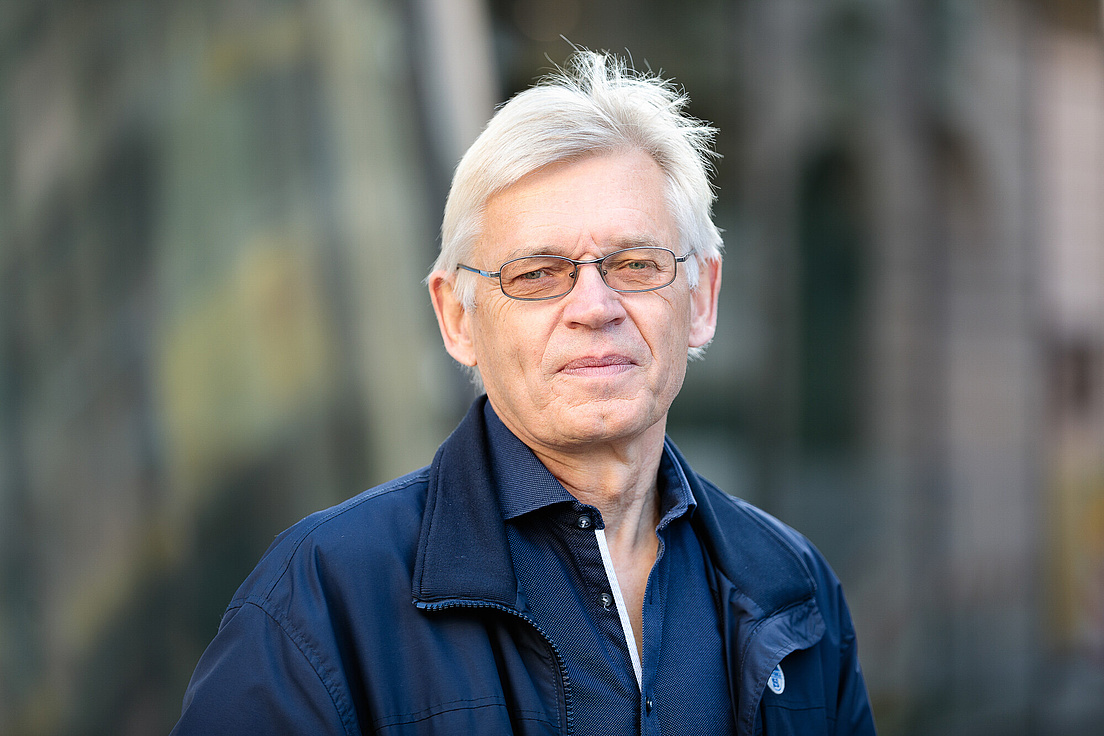
Portrait photo
Prof. Dr. Peter Hegemann © HU Berlin/Philipp Plum
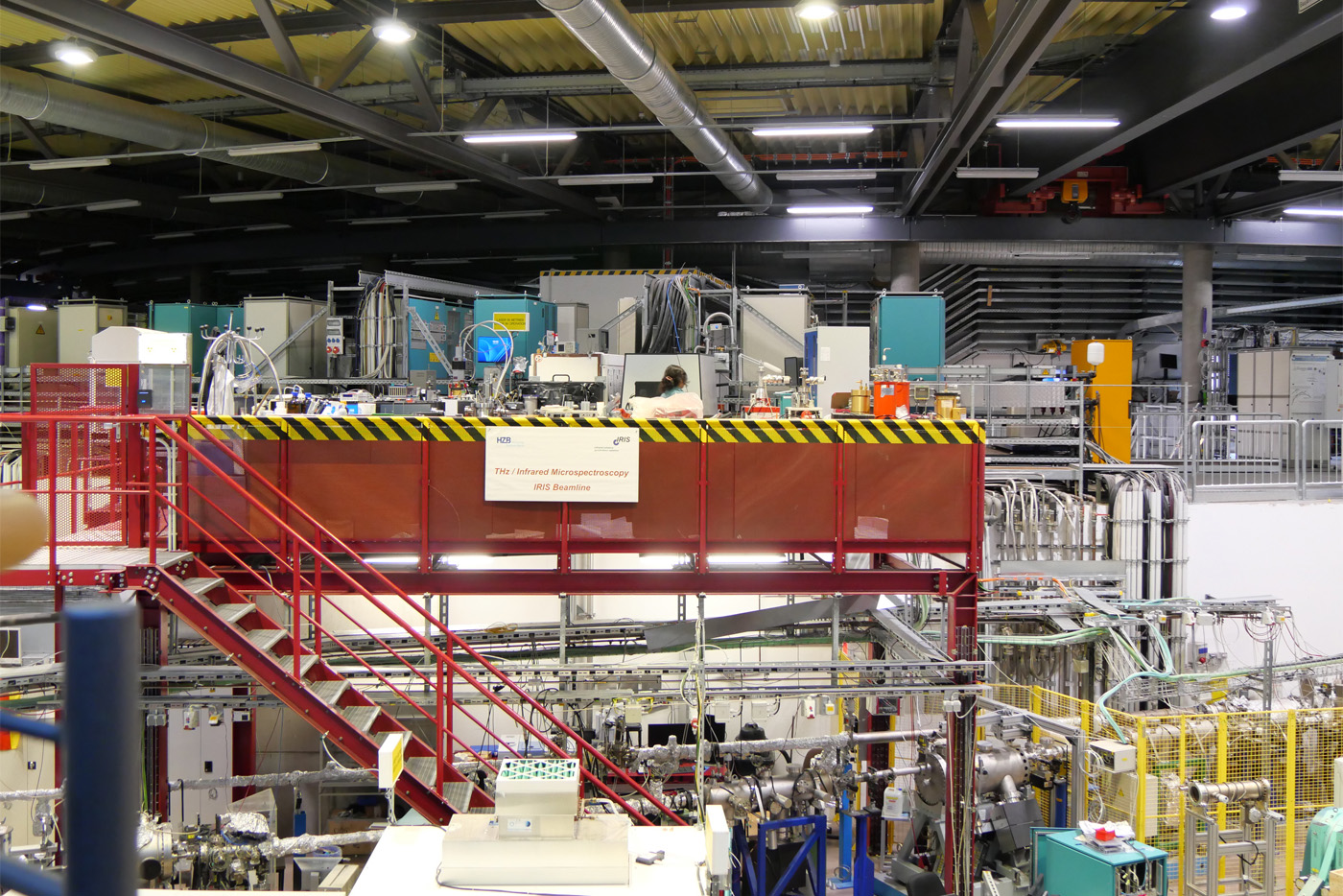
Experimental hall with machinery, pipes and a red metal staircase leading up to a raised platform
The IRIS measuring station at BESSY II: the Hegemann group carried out experiments here regularly between 2014 and 2021. © HZB

The Helmholtz-Zentrum Berlin (HZB) extends its warmest congratulations to Peter Hegemann, Professor of Neuroscience and Experimental Biophysics at Humboldt University in Berlin. Together with Prof. Georg Nagel (Julius Maximilian University of Würzburg) and Prof. Karl Deisseroth (Stanford University, USA), he has been awarded the 2026 Nobel Prize in Physiology or Medicine. The HZB is delighted for him, his team, Humboldt University and the entire Berlin scientific community.

From his research into green algae to the founding of optogenetics, a completely new field of study, Peter Hegemann has forged his own path. He demonstrates how scientific curiosity can give rise to a new field of research. This Nobel Prize thus once again underlines the great importance of basic research.

For Hegemann, it all began with the question of how green algae perceive light and orient their movement accordingly. Pure interest in gaining new knowledge. He discovered how light causes ion channels to open, which proteins are involved, and how this alters a cell’s electrical potential within milliseconds.

His discoveries regarding light-sensitive proteins now make it possible to specifically control cellular processes using light. In doing so, he also laid the foundation for potential medical applications.

At HZB, they are also proud that his research groups have been using the BESSY II X-ray source for their experiments for many years. Among other things, in 2018 they have deciphered the structure of the protein rhodopsin-guanylyl cyclase at the MX beamlines. This enzyme produces the signalling molecule cGMP following light exposure and is thus directly linked to Hegemann’s Nobel Prize-winning research topic, optogenetics. They have also regularly used the infrared beamline. These measurement campaigns alone resulted in nine publications from the Hegemann group between 2014 and 2021.

It is shared infrastructure such as this that makes Berlin a leading international centre for science. Just recently, a study by DIW Econ showed that every euro invested in BESSY II generates 10 euros in gross value added for Berlin. Investment in research is investment in the future. Peter Hegemann’s Nobel Prize is therefore also a strong signal to Berlin’s political leaders.

Contact:

Dr. Ina Helms
Helmholtz-Zentrum Berlin für Materialien und Energie

Communications
(030) 8062-42034 / (030) 8062-14626
ina.helms(at)helmholtz-berlin.de
www.helmholtz-berlin.de


HZB press release, 14 October 2026

Success Stories Research Biotechnology / Environment Universities Microsystems / Materials Photonics / Optics

Related News

Six people in a laboratory filled with technical equipment; two of them are holding an open book featuring colourful graphics

BESSY II is proving its worth – as shown by the impact analysis carried out by DIW Econ

Every euro invested in BESSY yields three euros for Germany, and as many as ten euros for the State of Berlin

Quantum state mixing in photobiology

New insight from ultrafast terahertz Stark spectroscopy
Rhodopsin © E. Ritter/HZB

Watching complex molecules at work

HZB team uses a newly developed infrared spectrometer at BESSY II to investigate how biomolecules in sensory cells work

Related Institutions

  • Helmholtz-Zentrum Berlin für Materialien und Energie GmbH, Elektronenspeicherring BESSY II
  • Campus Adlershof der Humboldt-Universität zu Berlin

Share this page

The development of the Science and Technology Park Berlin Adlershof was and is co-financed by the European Union namely by EFRE. This concerns infrastructure development like construction of technology centres. Furthermore EFRE is used for international projects.

  • © WISTA Management GmbH
  • Legal Notice
  • Privacy Policy
  • Digital Accessibility
  • Social Media Guide
  • FAQ
  • Contact
  • Press
  • Newsletter
  • RSS
  • International
Member of:
Zukunftsorte Berlin Logo, Standort Adlershof