
WISTA @ IASP World Conference 2026
-
International Association of Science Parks and Areas of Innovation (IASP)
Sophia Antipolis Technology Park,
Cannes, France
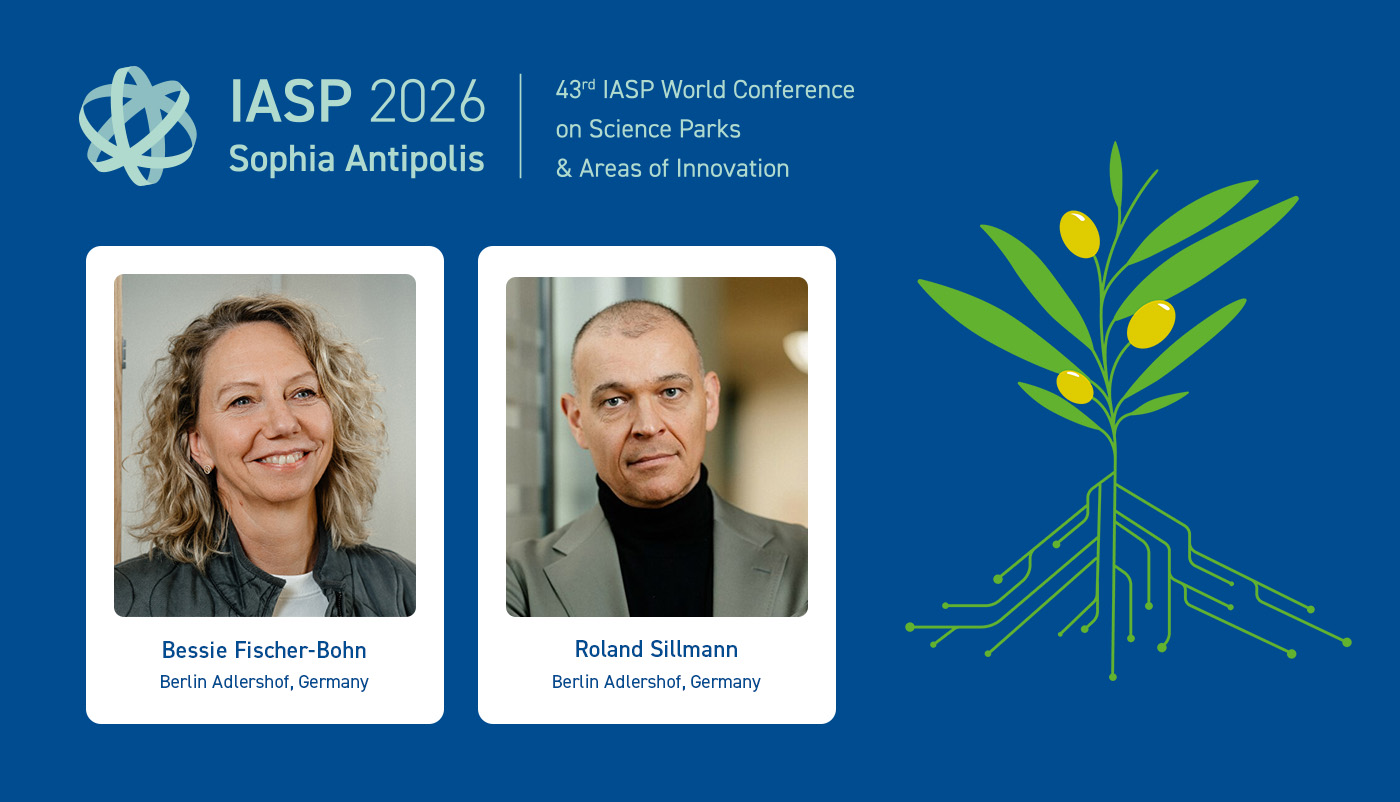
Tech for humanity: Shaping values for a human-centric future
The global innovation community meets at the 43rd IASP World Conference, hosted by Sophia Antipolis on the French Riviera. This year’s theme, “Tech for Humanity: Shaping values for a human-centric future”, is an invitation to look beyond what technology can do and ask how innovation can create a more inclusive, sustainable and human-centred future.
Across the programme, the community will explore the role of innovation spaces in shaping responsible AI and ethical technology, strengthening global collaboration, building inclusive healthcare, education and food systems, supporting climate action and sustainable cities, and helping people and organisations adapt to a rapidly changing world.
The conference will bring together perspectives from across the globe to explore how science parks, innovation districts and other innovation spaces can help ensure that technological progress is guided by human values, expands opportunity and delivers meaningful impact for society.
Roland Sillmann: Governance and stakeholder management
The right governance scheme is crucial for the success of STPs and AOIs, especially at the early stages of a project. It must determine the mix of people and institutions with decision-making capacity, objectives, mission, strategic models, but also a project's actual design (site, infrastructure, etc.) through the different stages of its development. All these aspects make up the institutional architecture of a park and will change as it develops, and STP/AOI managers should take them into account from the very beginning of the project.
Pre-conference Training Seminar / 27 October / 15:20
Bessie Fischer-Bohn: How an innovation district became a driver of economic and social impact
Urban environments increasingly demand that science parks, areas of innovation and innovation districts look beyond real estate occupancy metrics and serve as catalysts for urban regeneration, social inclusion, and community resilience. This session explores how former military sites, declining industrial areas and other brownfield locations can be transformed into platforms that connect technological development with wider public priorities, transforming physical real estate into lasting social infrastructure capable of supporting communities through economic shifts and catastrophic climate events.
Plenary session 4: Brownfield transformations for impact and social change / 30 October / 9:30